Most brand projects fail before they start — not in the design, but in the meeting where someone has to explain why it matters to a finance director.
Branding is easy to defend when it is going well and impossible to defend when it is not. The trick is to make the case in the language of the people who sign the cheque: risk, cost and time.
What to put in the deck
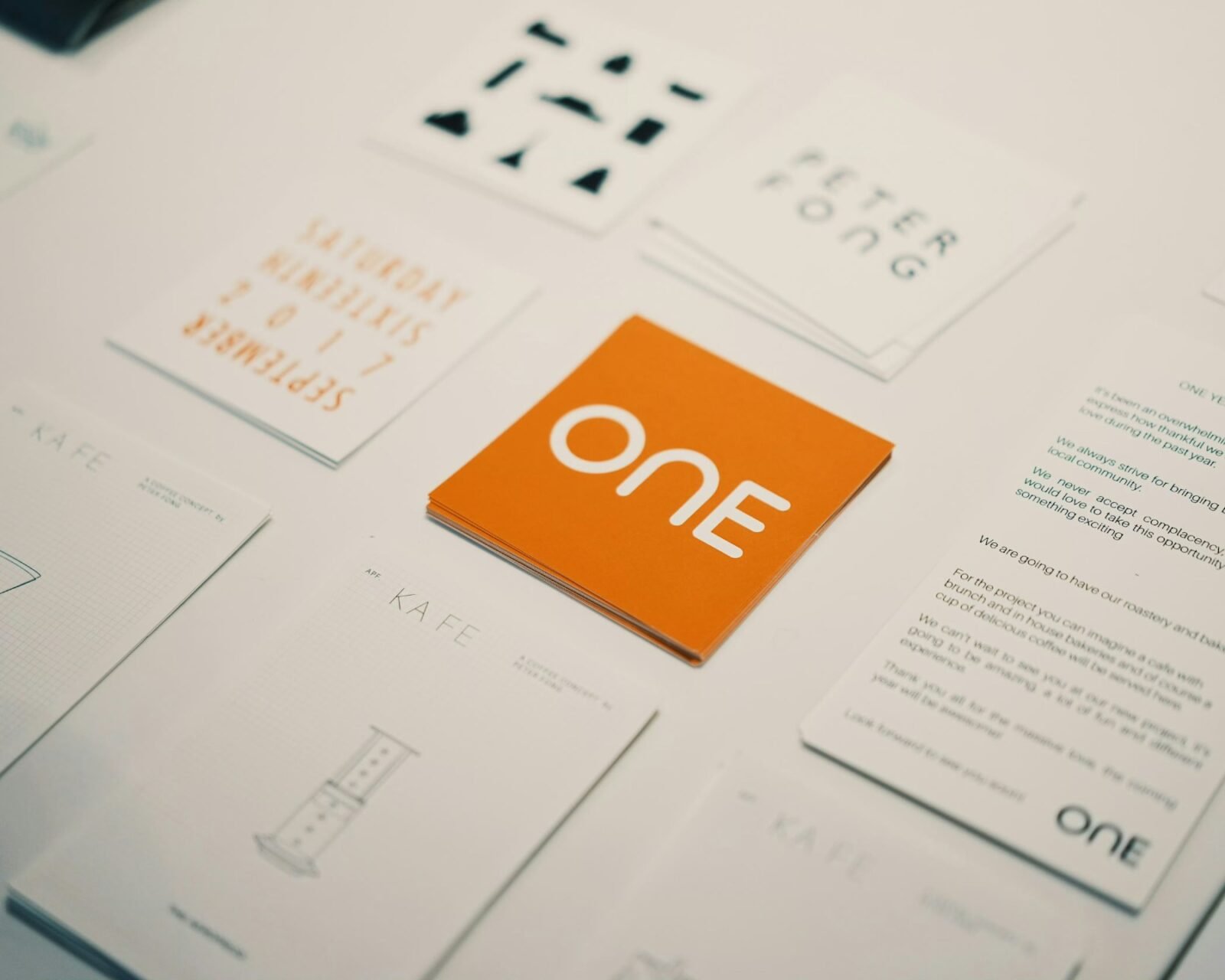
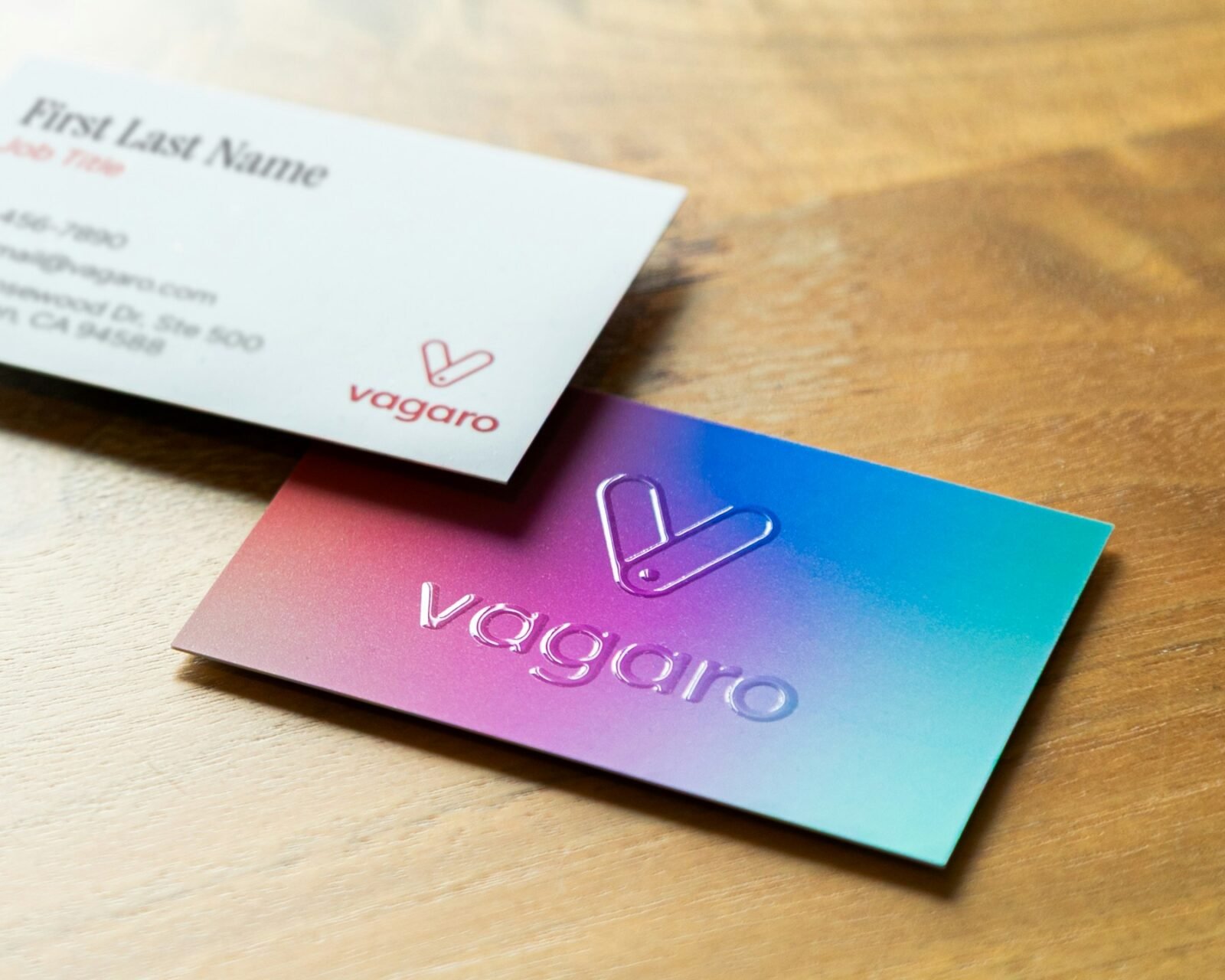
Start with the cost of inconsistency. Count the templates, the redrawn logos, the hours spent asking “which blue?”. Then count the cost of being forgettable, which is harder, but usually larger.
- The number of touchpoints you currently maintain, and how many were made by different people.
- One competitor who looks more expensive than you and charges more.
- The cost of the last three ad-hoc design jobs, added up.
- A twelve-month rollout plan that starts with the cheapest, most visible fix.
A brand is what people say about you when you are not in the room. Design is how you get a vote.
Studio note
In practice
We keep a running document of these decisions for every client, so the next designer — in-house or external — inherits reasons, not just files.